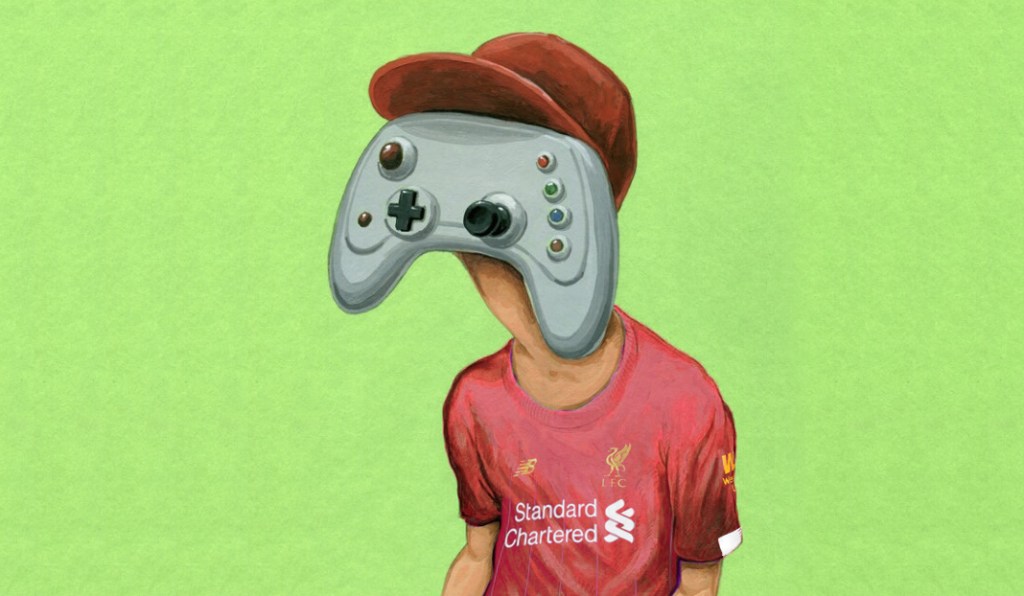
As the UK initiated lockdown due to the coronavirus outbreak, the World Health Organisation (WHO) backed an initiative entitled #PlayApartTogether. This was in late March 2020, and the scheme urged people to stay indoors and play video games.
Ironically, the WHO classified ‘gaming disorder’, or video game addiction, as a disease just a year prior.
As a former gaming enthusiast, I decided to conduct an experiment to see if my old bad habits would resurface and whether my behaviour would fall into the category of gaming disorder. Considering the WHO’s recent U-turn, there was no better time to explore this type of addiction, and whether it is a problem at all.
In the interest of protecting our NHS and saving lives, I dipped into my savings. I bought a brand new PlayStation 4 from Argos, which was mercifully still open for essential purchases.
I only needed one game to accompany my new console: FIFA 20, a football simulation video game.
In my youth, I played many instalments of the FIFA series. Back then, I still harboured dreams of becoming a real-life footballer, and FIFA allowed me to live out those fantasies. I would create a virtual pro in my image, and he would play alongside real-life footballers in fully licensed kits to packed-out stadiums across the world.
The fact that there were real-life footballers in the game playing alongside my avatar was part of the enormous appeal of the game for me.
Creating my avatar
The format and controls of FIFA had hardly changed from when I last played the game all those years ago. The first thing I did was create my virtual pro, or avatar.
I began adjusting the appearance of my avatar to look more like me. This is the most essential part of the game, as the more like myself the avatar looks, the more I completely lose myself in the world. It also presents an opportunity to improve myself, so I decided to give my avatar a strong jaw and a generous hairline.
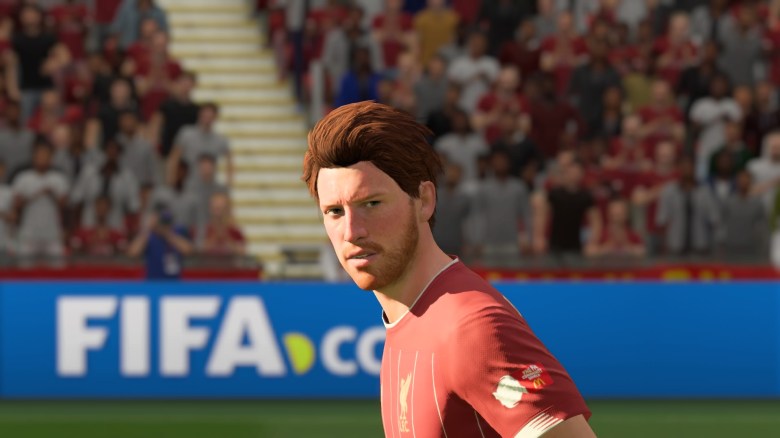
After adjusting my avatar’s appearance, I selected his kit options. I had his shirt tucked in and his sleeves long rather than short, as this is how I wore my shirt when I played for my local village team. The shorts were one standard setting, which really frustrated me because my avatar would have ideally worn short shorts in homage to the football fashion of the 1980s. To compensate for this, I put his sock height on the lowest setting possible, thus revealing more leg and creating the look of short shorts. My virtual pro’s boots were black Mizuno Rebulas because no one else wears them, and my avatar is a footballing trailblazer.
The next step in the creation process is to determine my avatar’s attributes. The key here is to be good enough to hit the ground running while having enough room for improvement. I need to keep things interesting for 15 seasons (that’s how long the career mode is).
I like to make my real-life attributes the template for this process, and then exaggerate my strengths and weaknesses to bring my avatar up to the required professional standard. This explains why my avatar was good at short passes but was frequently injured.
Back when I used to play the game, my avatar would be the youngest player in the game, but I am 26 now (at the time of writing), so it wouldn’t make sense for my virtual pro to begin his playing career during his prime years.
The fact that there were real-life footballers in the game playing alongside my avatar was part of the enormous appeal of the game for me. However, the moment those real-life players became younger than my fictional avatar made the illusion slightly less believable.
At this point, any sane person would either put their controller down or continue to play the game without reimagining their life as a professional footballer like a narcissist.
Writing an origin story
It had become a lockdown tradition to emerge from my room in the morning with moderately bloodshot eyes caused by an overindulgence of FIFA from the night before.
Despite my better judgement, I decided to commit to the fantasy further. I began to imagine my avatar’s life beyond the video game I was playing. I brainstormed different background stories for my avatar to justify why he was slightly older than the other emerging talents in European football.
The more my origin story could reflect my real life, the easier it would be to immerse myself in the narrative. As a result, inspired by my own persistent knee injuries, I imagined that my avatar’s career was curtailed at a young age because of knee ligament damage. To add insult to injury, I envisioned that my avatar was released from his club, Ajax Amsterdam, without any potential suitors.
This is the point in the article where I stop referring to my ‘avatar’ as an ‘avatar’ and instead discuss my avatar’s journey in the first person. It’s easier that way. It’s easier to pretend that this is real life.
I was damaged goods; football was all I’d ever known, and now I had no place to go. Humbled and depressed, I moved back to my hometown in Leicester and started to plan for my future, but deep down, I had no plan B.
With the help of a few friends, I compiled several short videos demonstrating my footballing skills to send to clubs. My agent quit after Ajax released me, so it was up to me to reach out to the footballing community. I used various social media channels using #SignUpBayley. One club responded: the German second division, Hamburg-based side FC St Pauli.
Despite only experiencing modest success on the field, St Pauli is famous for its support of left-wing politics. I was only too happy to get the call from them. St Pauli guided me through several seasons of gruelling physiotherapy as I learnt to play the game with my head first and my feet second.
By the 2019/2020 season, I was an integral part of the St Pauli first team, and my career flourished after that.
| Years | Team | Apps | Goals |
| 2008-2011 | Ajax | 0 | 0 |
| 2012-2022 | St Pauli | 236 | 48 |
| 2022-2024 | RC Strasbourg | 41 | 15 |
| 2024-2025 | Borussia Mönchengladbach | 52 | 23 |
| 2025-2026 | Liverpool | 21 | 1 |
| 2026-2028 | Ajax (loan) | 61 | 7 |
| 2028-2030 | Seattle Sounders | 57 | 21 |
Game over
Two (real) months later, I had completed the career mode. The game sent an automated message congratulating me on a glorious career, then returned to the start-up menu, where I could either start another career mode or wait for the next game to come out.
It had become a lockdown tradition to emerge from my room in the morning with moderately bloodshot eyes caused by an overindulgence of FIFA from the night before. This was more than just a video game to me. When I was in my room absorbed by this fantasy, nothing else mattered. I had no worries or concerns as long as I was performing on the pitch. I often found myself in bed trying to get to sleep, or in the bath, or on the toilet, thinking about my career mode, mulling over transfers, wondering where to move next. Should I stay with St Pauli? I have a good relationship with the manager and a genuine connection with the city. Or what about Strasbourg? My wife and kids could stay in London, and I could return home during the international breaks.
Sometimes I would have to quit and restart the game to ensure I scored the winning goal.
Over the last few weeks, it had occurred to me that I was more obsessed with this video game than ever before. I prescribed myself classical music to listen to while playing the matches, in an attempt to elevate what I was doing into a more sophisticated hobby. This did not work; I only occasionally acknowledged the irony of what I was doing. The rest of the time, I was concentrating on getting St Pauli through to the semi-final of the German Cup. Sometimes I would have to quit and restart the game to ensure I scored the winning goal. I even bought myself a posture corrector to wear while I played the game, to ease my back troubles.
Nothing like a good book
When you get lost in a good book, nothing else outside of your engagement with the narrative matters. That’s the appeal of it: you can relate to the protagonist and imagine how you would behave in their circumstances. Since lockdown, I have had a similar relationship with FIFA, except in FIFA, my stimulus isn’t someone else’s protagonist; I am the protagonist.
For me, writing this piece was cathartic, and made me realise just how unfulfilling my gaming habits had become. There’s nothing wrong with having the occasional tap on the pads during a lockdown, but to use that as the framework for an alternative reality can’t be healthy. Playing endless hours of FIFA won’t expand my knowledge or amplify my creativity, and in that way, it’s nothing like a good book.
- Illustration by Liam Johnstone
Read next: The World Cup comedown and Zinedine Zidane: race, grace and brutality
Got a story like this? Pitch it to us.


Leave a comment