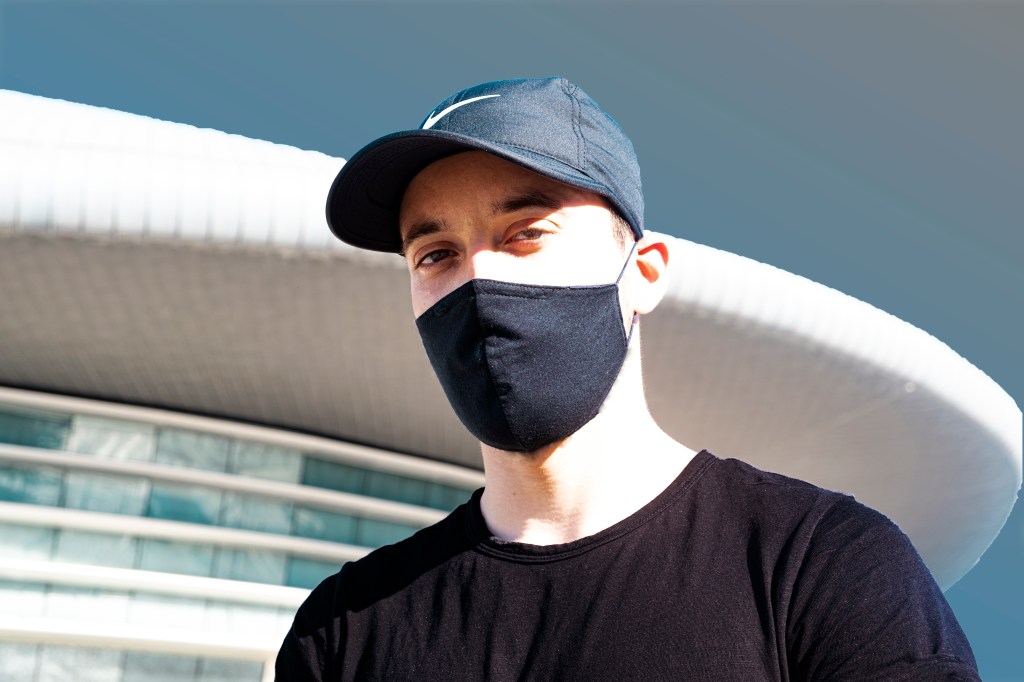
In the summer of 2020, wearing a face mask in public was almost universally recommended. Donald Trump, then in his first term as US president, refused to wear one, contradicting his own health experts. In the UK, Boris Johnson went about his business barefaced until he caught the virus himself. Between them, the two leaders presided over two of the highest Covid-19 death tolls in the world, and both had built careers on a brand of alpha dominance that mistakes stubbornness for strength.
Why men wouldn’t wear masks
A survey published that year by American and British researchers found that men were less likely than women to wear a mask, and more likely to see one as a sign of weakness.
It is not unreasonable to suspect the same anxiety was at work in the White House and Downing Street.
The irony is that more men than women were dying from the virus. Whatever the reason, biological or behavioural, a mask helped stop it spreading. By that logic, fragile masculinity may well have been costing lives.
It is a familiar pattern. In the UK, men are three times more likely than women to die by suicide, and many don’t seek help in time because they fear it will make them look weak. The mask was simply a smaller, more visible version of the same problem.
The photo essay
So Attaboy! asked men from all over the world to send us photos of themselves wearing their masks with pride. Consider it a public health campaign with better cheekbones.
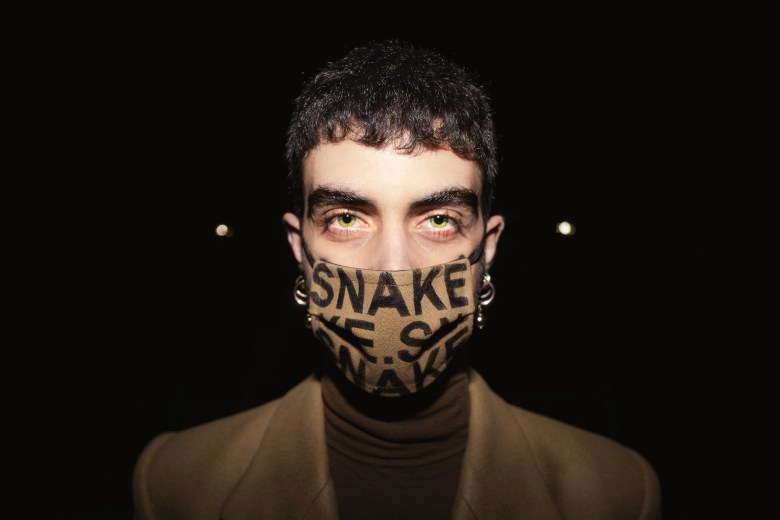
“You are weaker without a mask in this current climate. Think of it as a fashion accessory if that helps.”
Snake
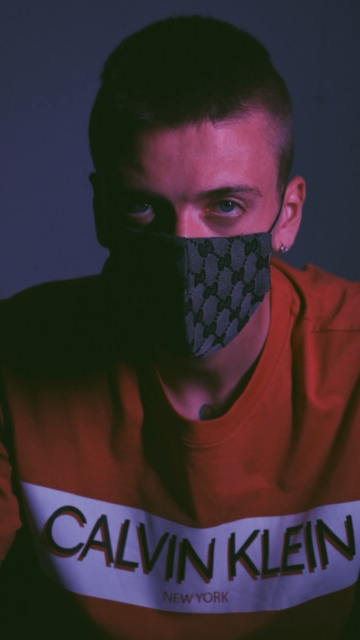
Lorenzo Della Volpe, nursing student, 22, Pisa, Italy 
Kid Lit, musician, New York, USA
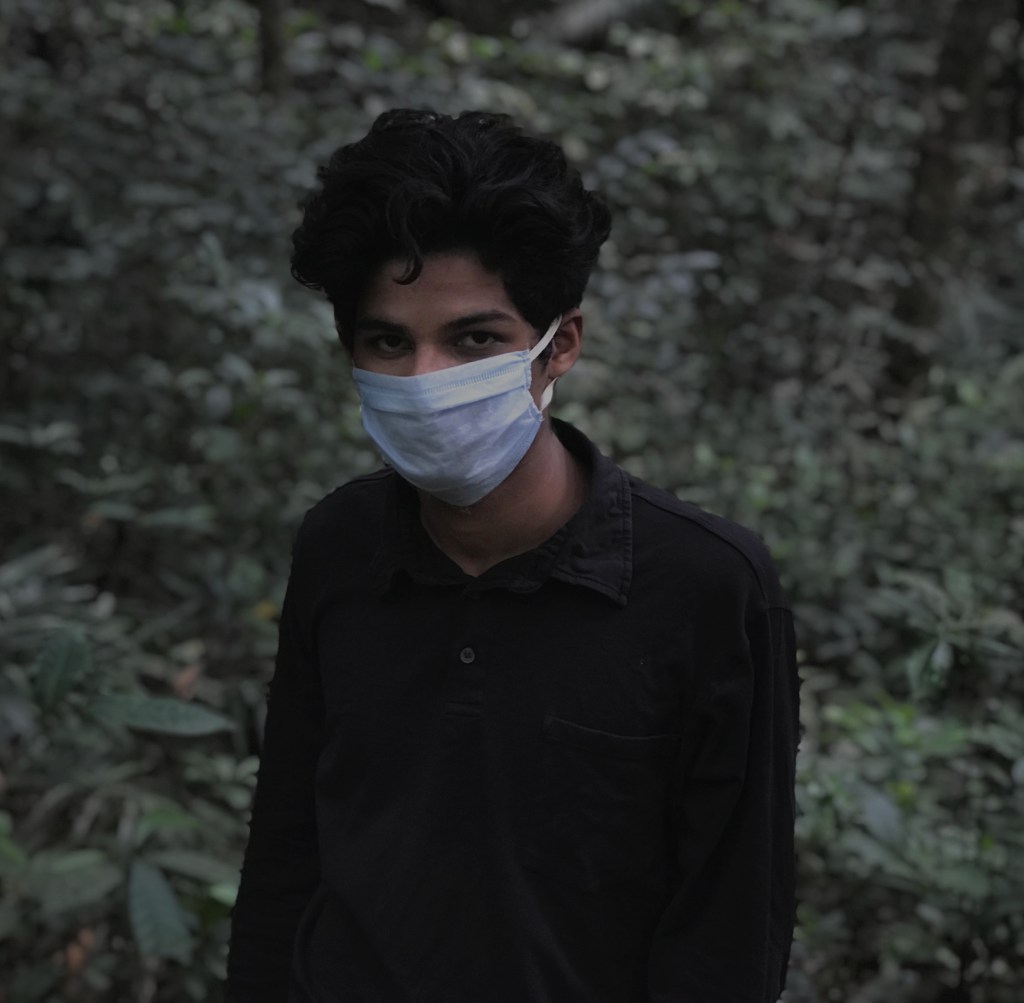
“As a man, I understand the pressures of masculinity and the impact it has on the way we look, but this virus doesn’t care what you look like.”
Philips Joseph
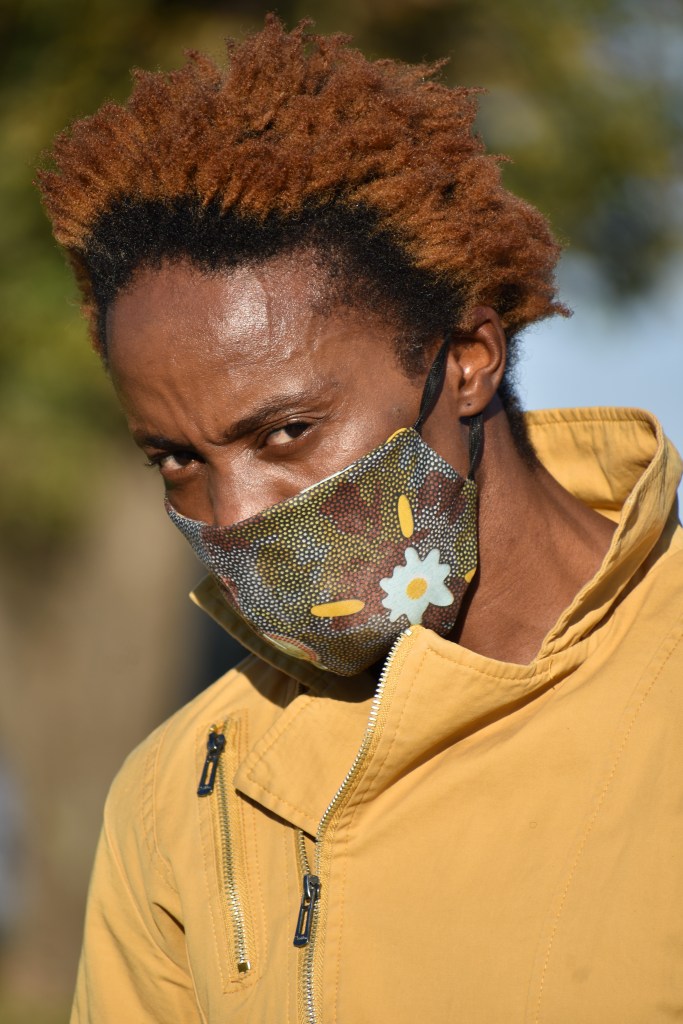
Kgomotso Seboko, radio host, 37, Johannesburg, South Africa 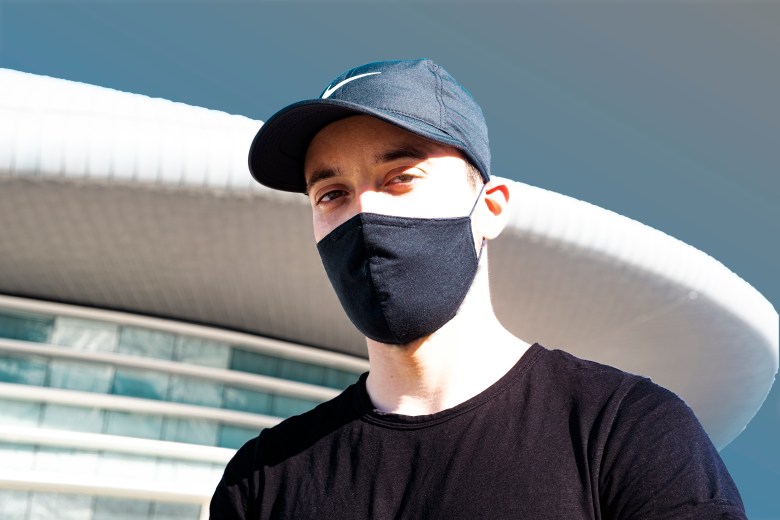
Miguel Ângelo Estorninho, digital marketer, 26, Lisbon, Portugal
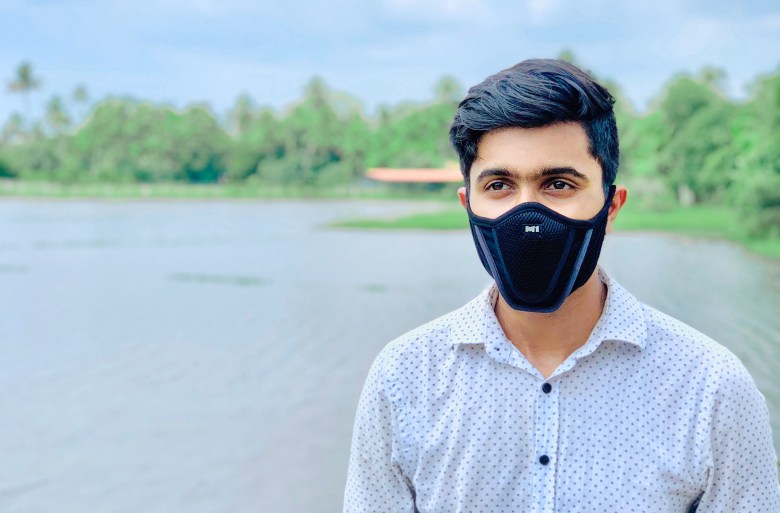
“Wearing a mask in this Covid-19 situation can only make you stronger, and if that means looking weak in the eyes of the public then so be it. It is more important to be strong on the inside than the outside.”
Fahad Bin Haneefa
Read next: The experiences of men in female-dominated roles and Should we celebrate Dennis Rodman?


Leave a comment